Ekstra Bladet
A bold new chapter for Denmark’s biggest news site
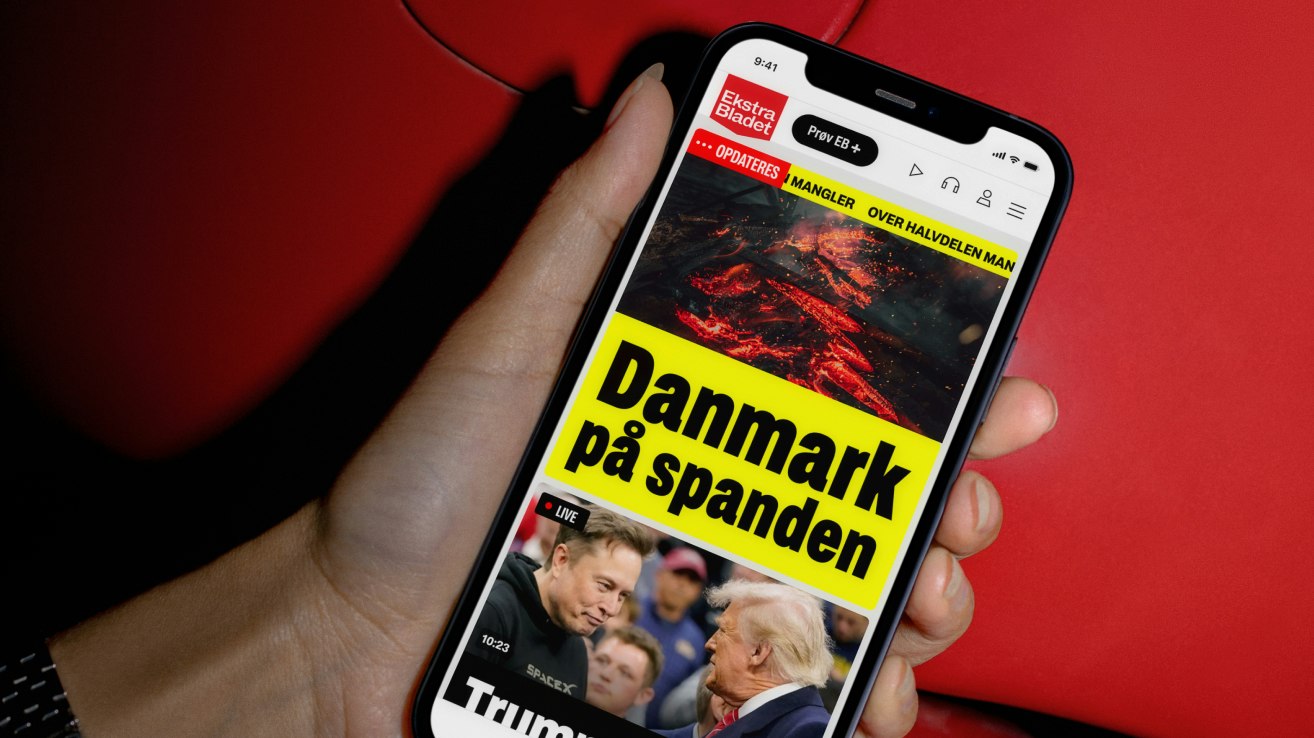
Client: Ekstra Bladet
Key Focus: UX, design, and tech
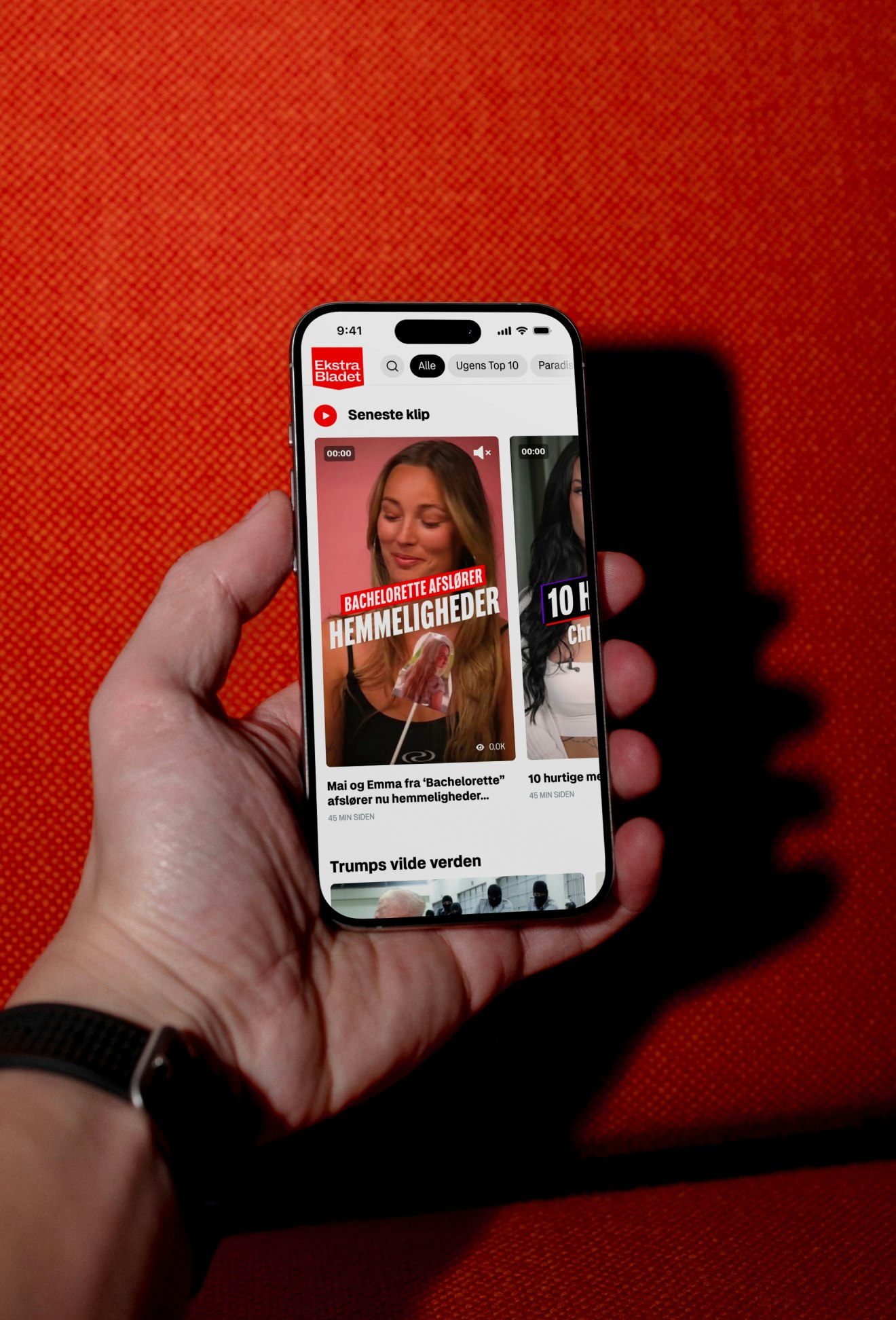
Every month, nearly two million Danes hit *ekstrabladet.dk*. But news habits are shifting fast, and the country’s biggest tabloid needed a digital experience built for today’s readers—and tomorrow’s.
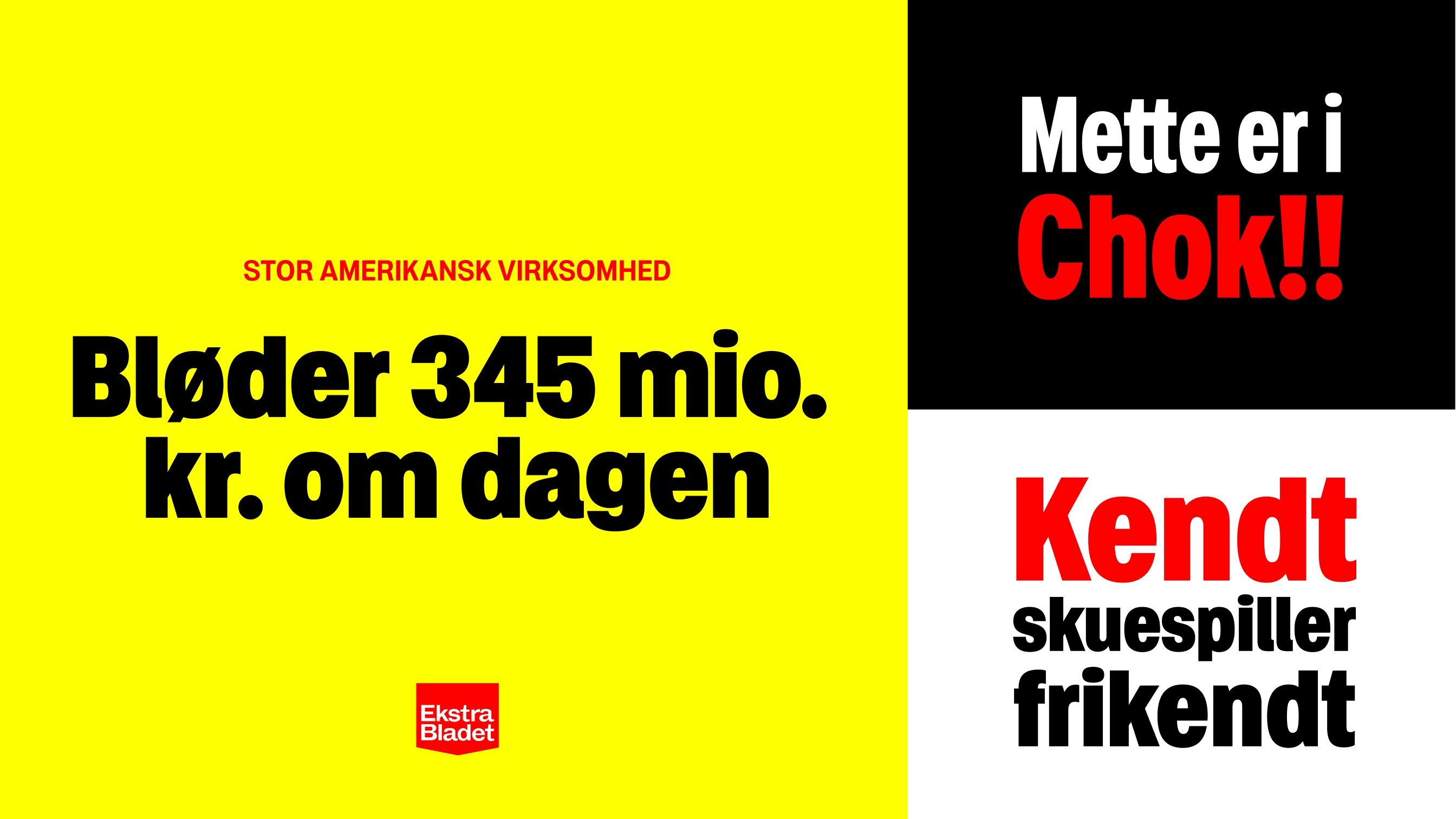
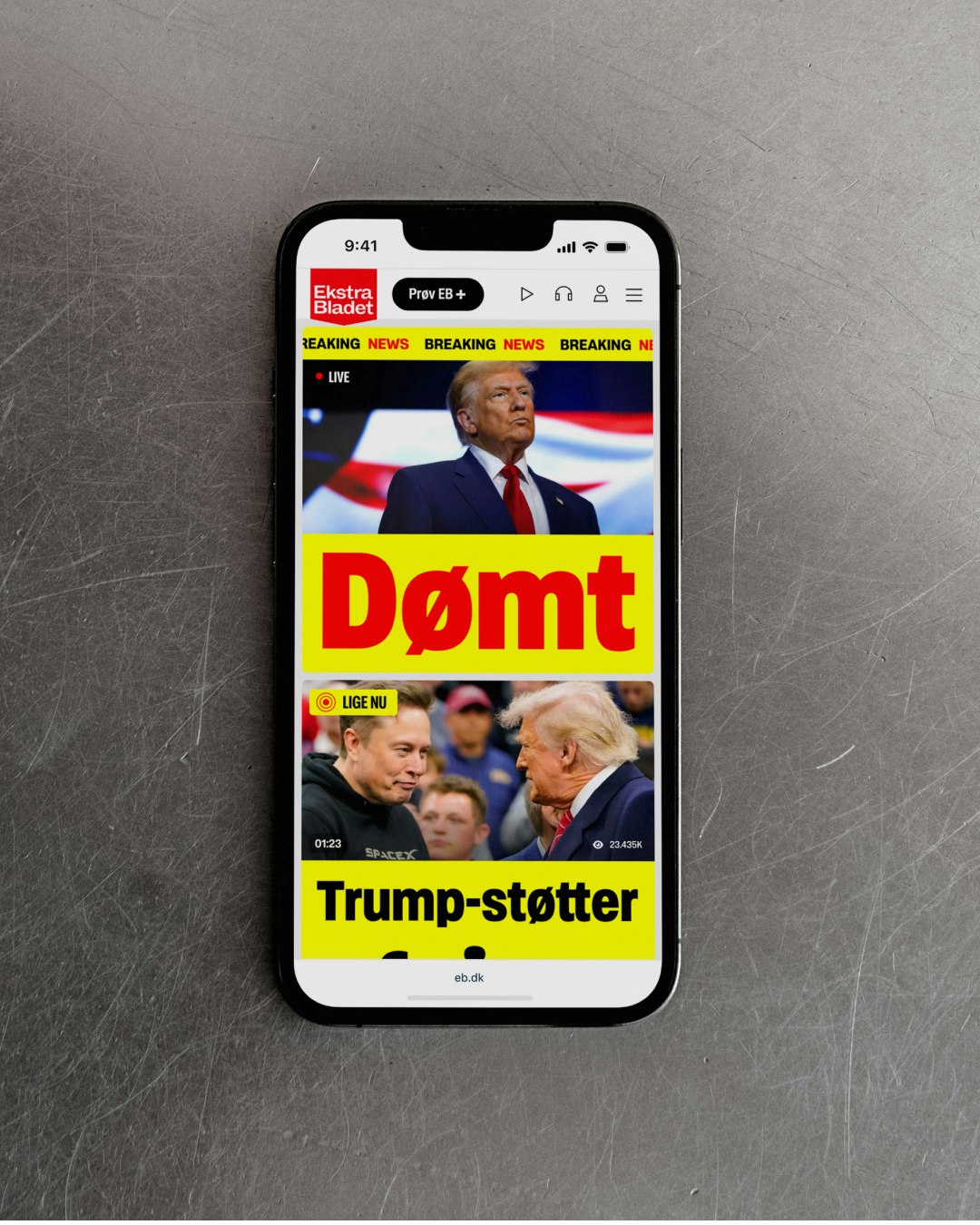
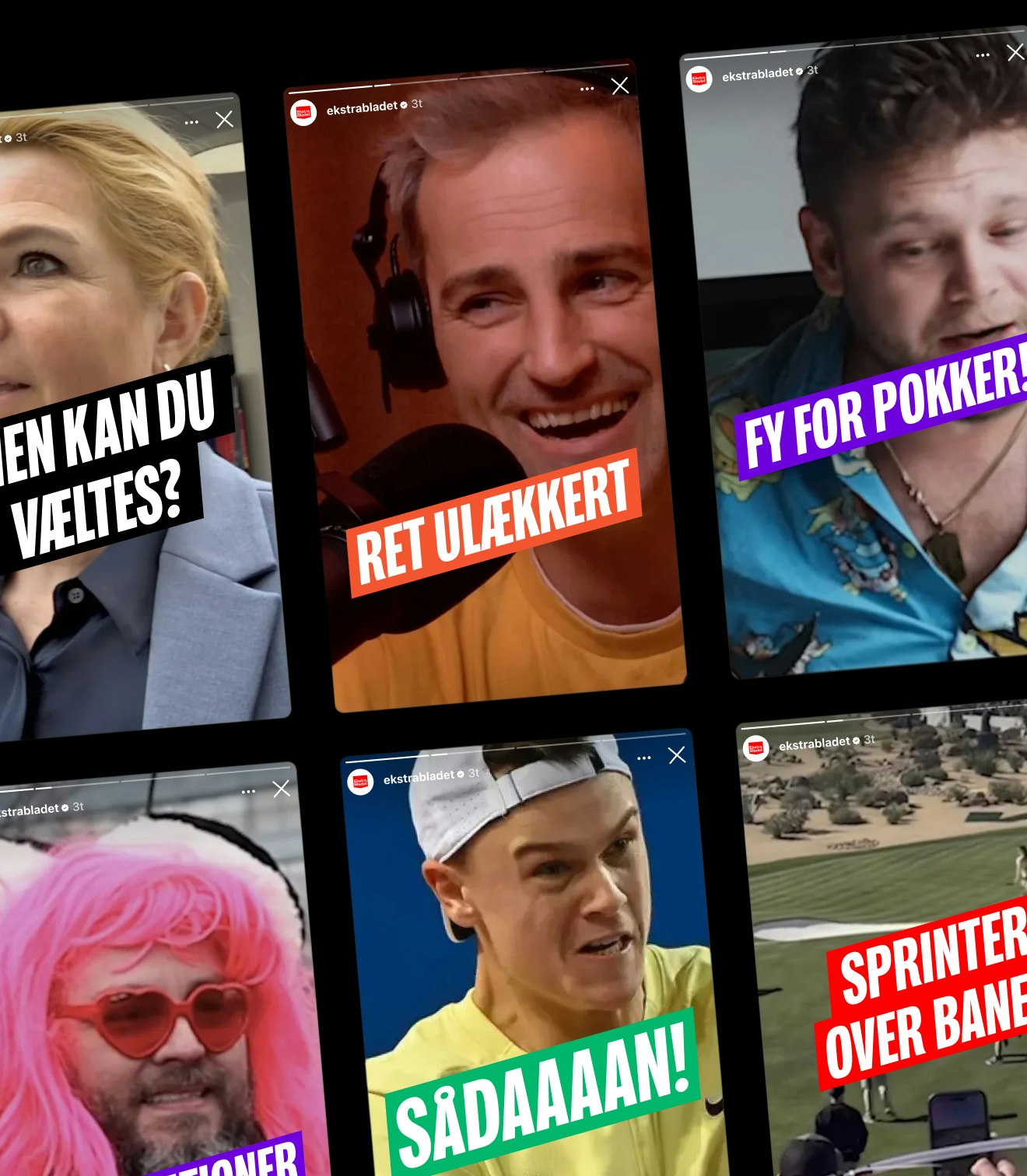
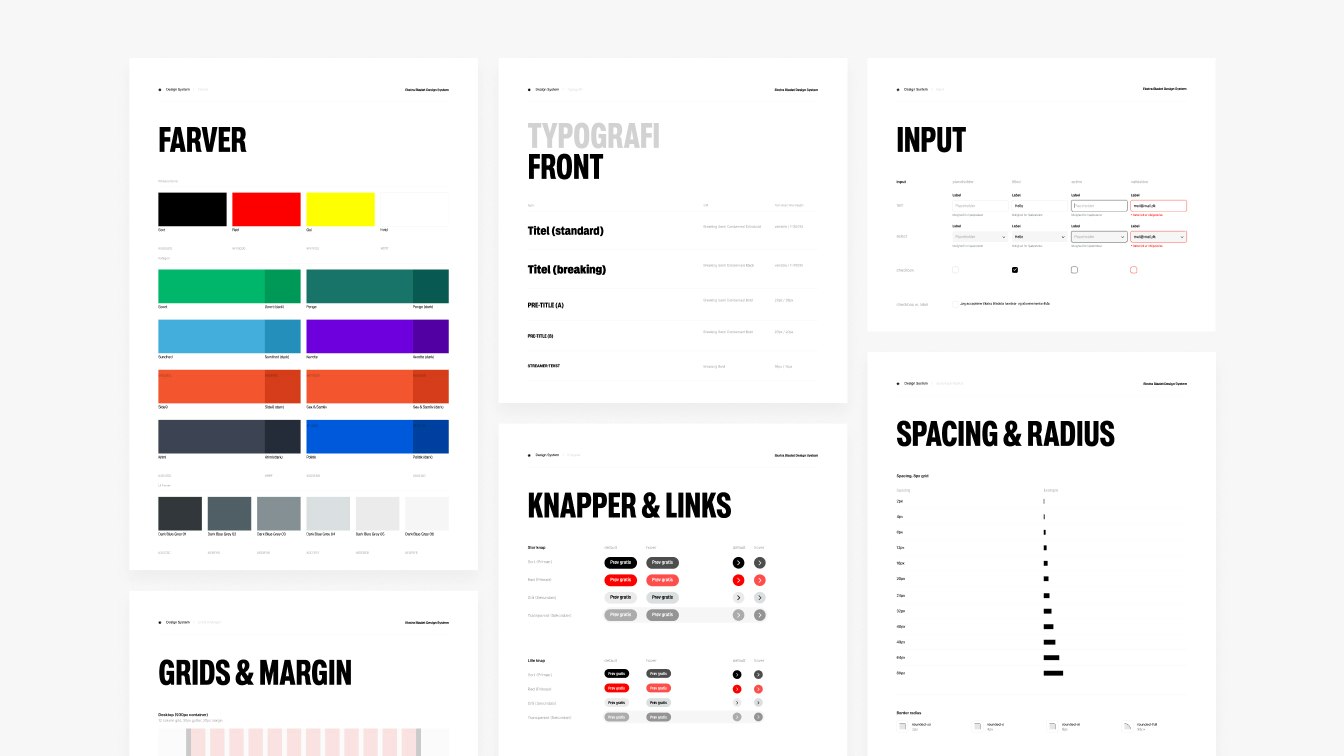
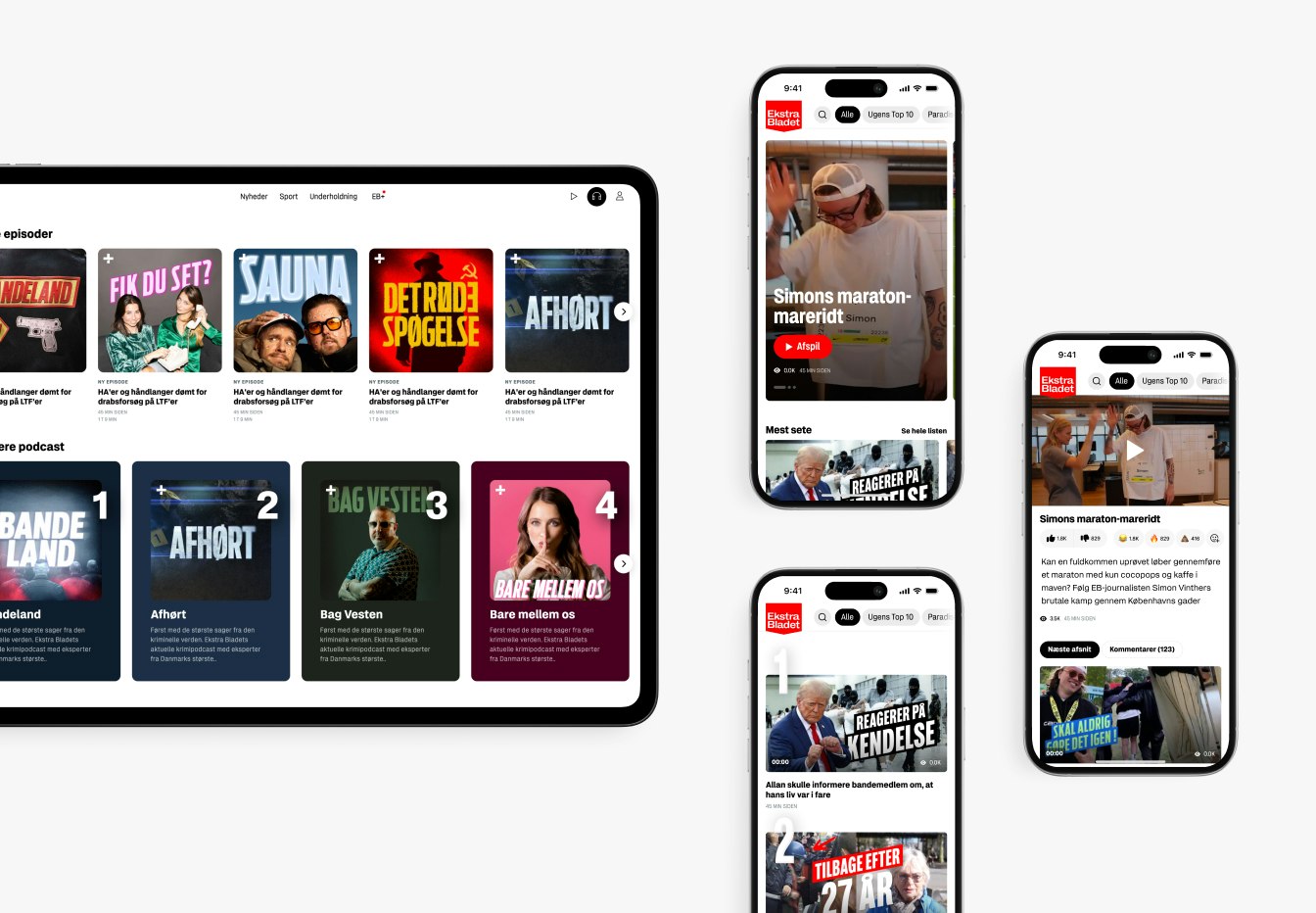
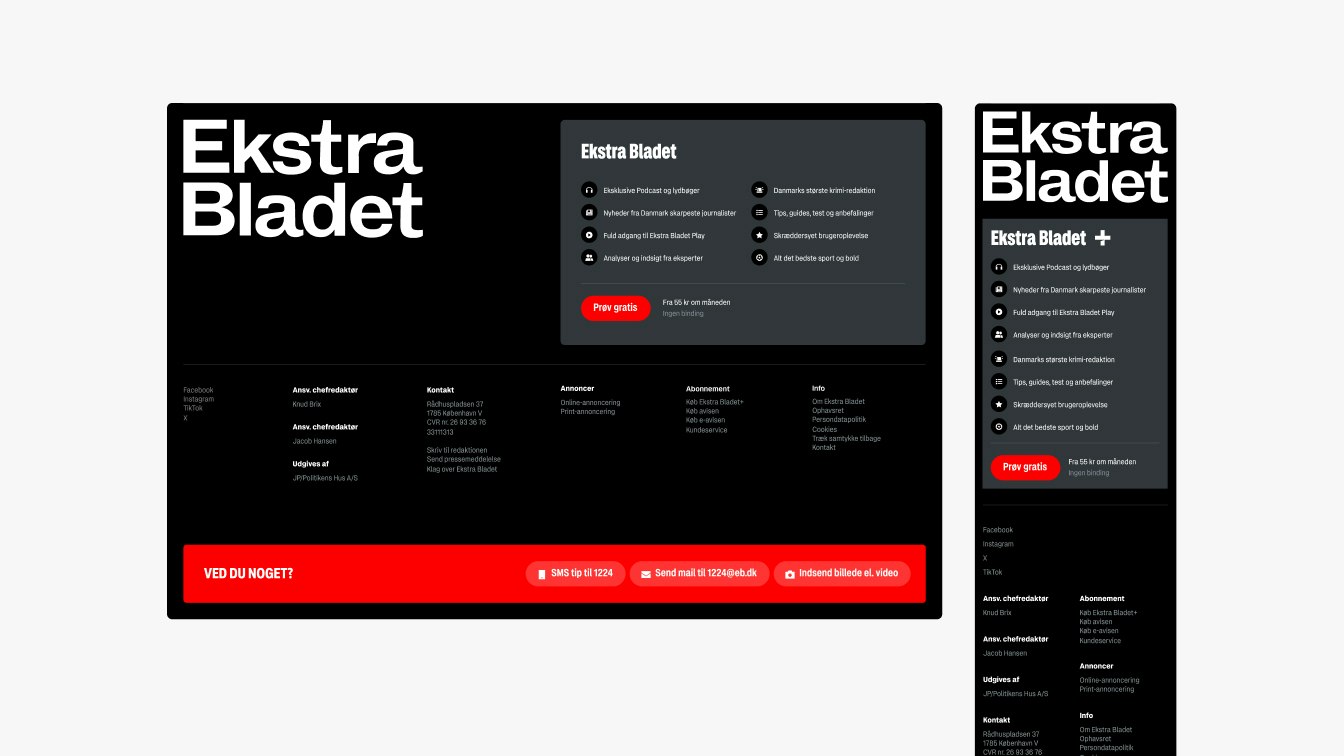
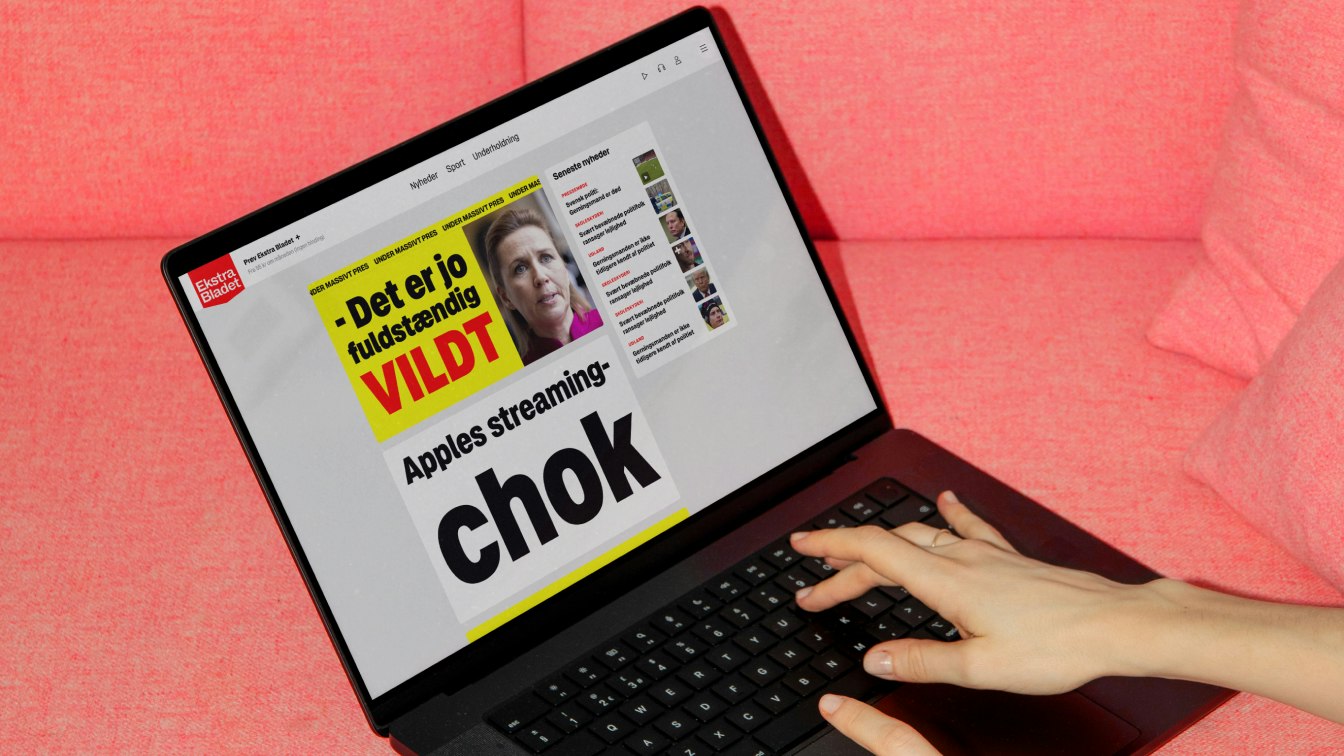
We teamed up with Ekstra Bladet to rethink the entire flow: faster overview, sharper hierarchy, and storytelling that blends text, video, and sound without slowing readers down. The new expression keeps the bold EB attitude, supported by a bespoke typeface from Playtype and a cleaner, more scannable UI.
The result is a future-ready platform built for speed, mobile, and 600+ million yearly page views. A system that scales, a structure the newsroom can grow with, and an experience that speaks to the next generation of news consumers.
Ekstra Bladet is Denmark’s biggest news site, and staying in that position means evolving with our users. We chose Signifly because they combined a great understanding of our business and the UX patterns that shape how people consume news today.
Alberte Egholm
Brand Manager, Ekstra Bladet
Kudos to
Client Lead / Mathilde Ive
Design Lead / Alexander Spliid
Designer / Søren Schrøder
Related work
Digitaliseringsstyrelsen
One card less
Client: Digitaliseringsstyrelsen
Partnership Lead: Alexander Spliid
Key Focus: App Design
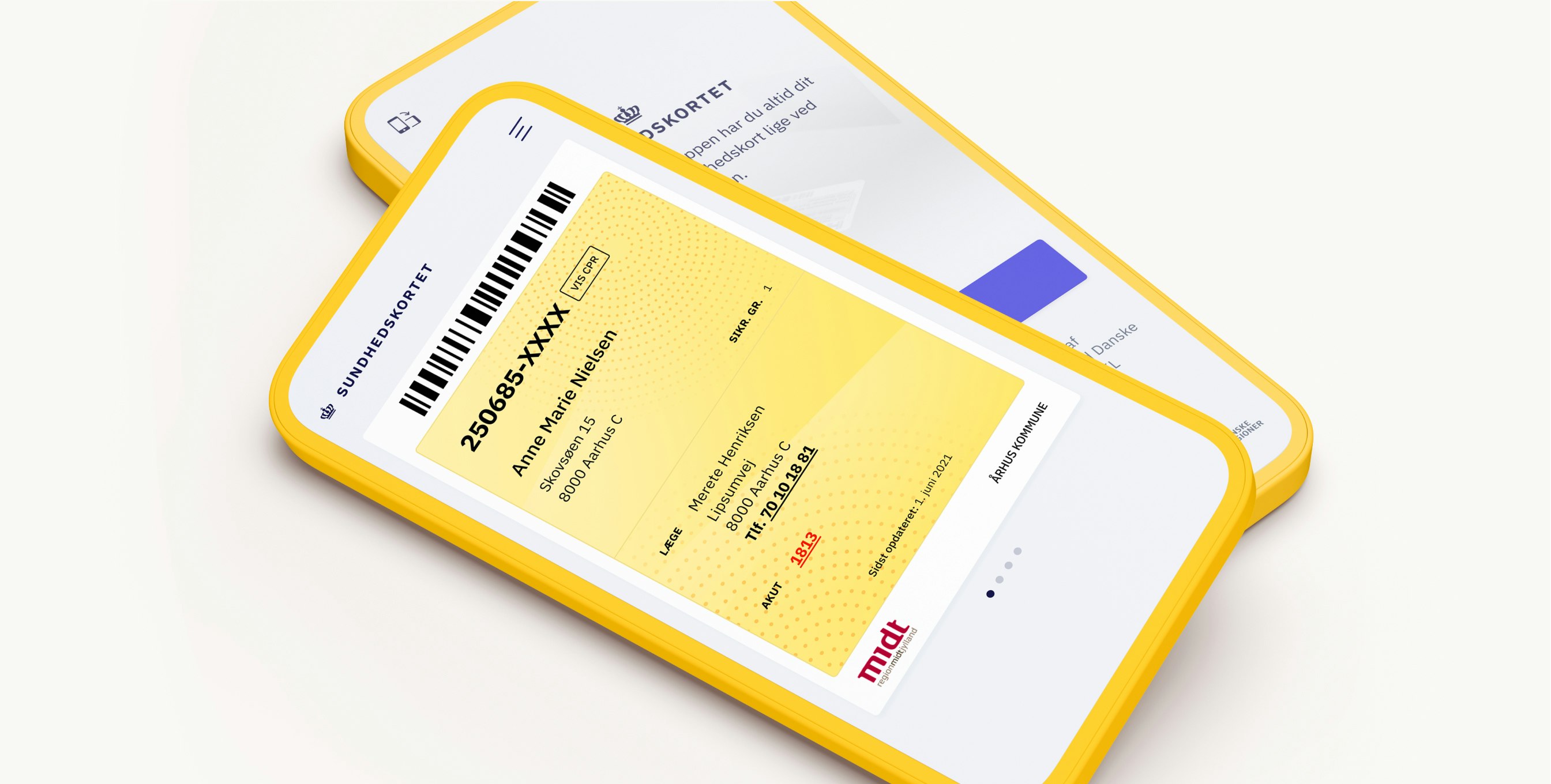
Designing an app that is accessible, intuitive and familiar to all segments of the Danish population is no easy task, but with an established relic like the Danish Health Card (Sygesikringsbeviset), that was non-the-less the job ahead.
Through extensive user testing the final design system was based on three core insights: Make it familiar, make it simple, make it easy to use. Today the (digital) yellow card is an incremental part of the Danish Health System with +2,1 mio. downloads. It allows residents to automatically update their personal health information, change doctors and easily access the Health Cards of their children. A strong example of how human-centred design can improve life for the better.