Electric Mind
Grounded in Excellence, Engineering the Future
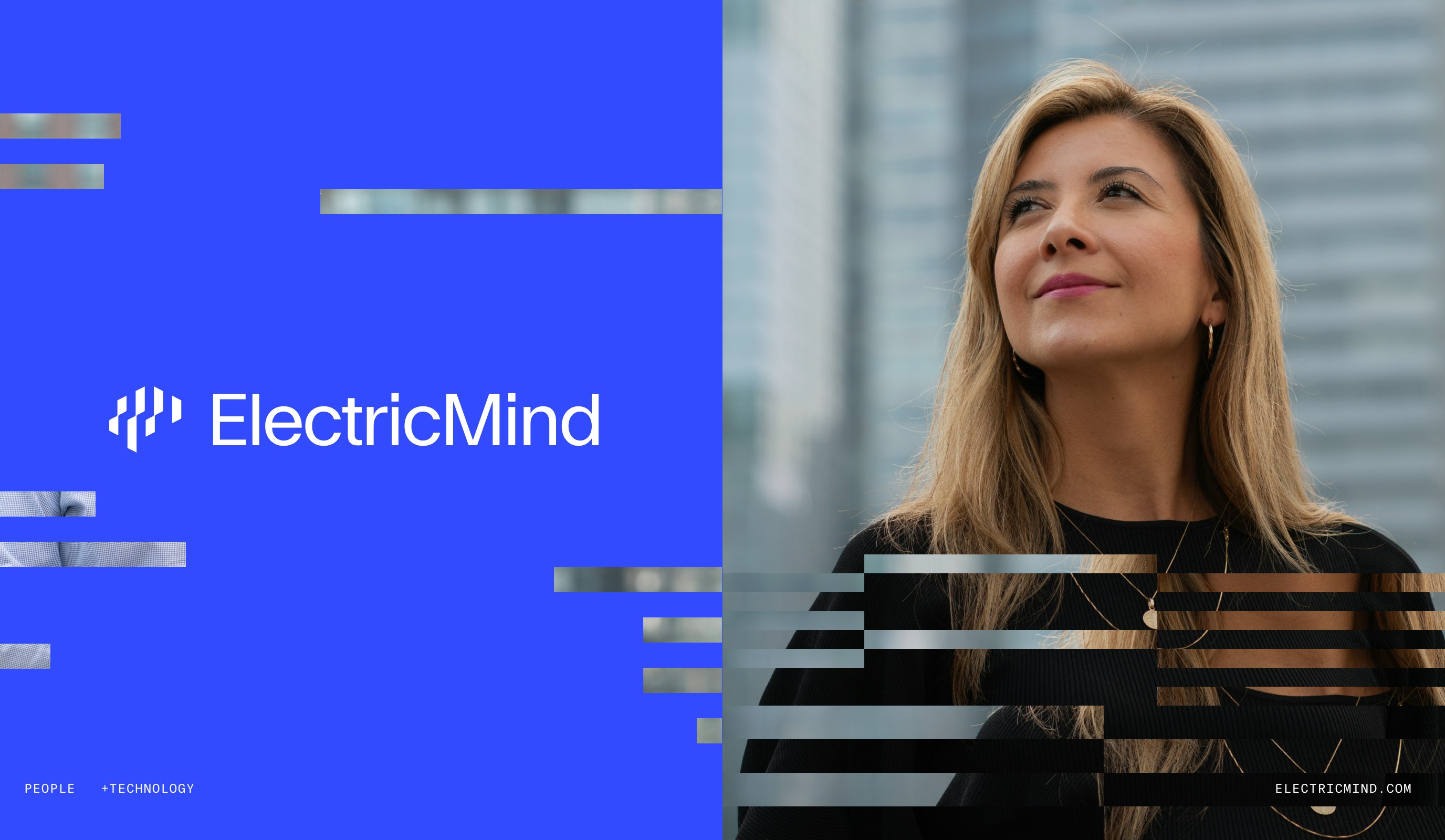
Client: Electric Mind
Key Focus: Brand, Website

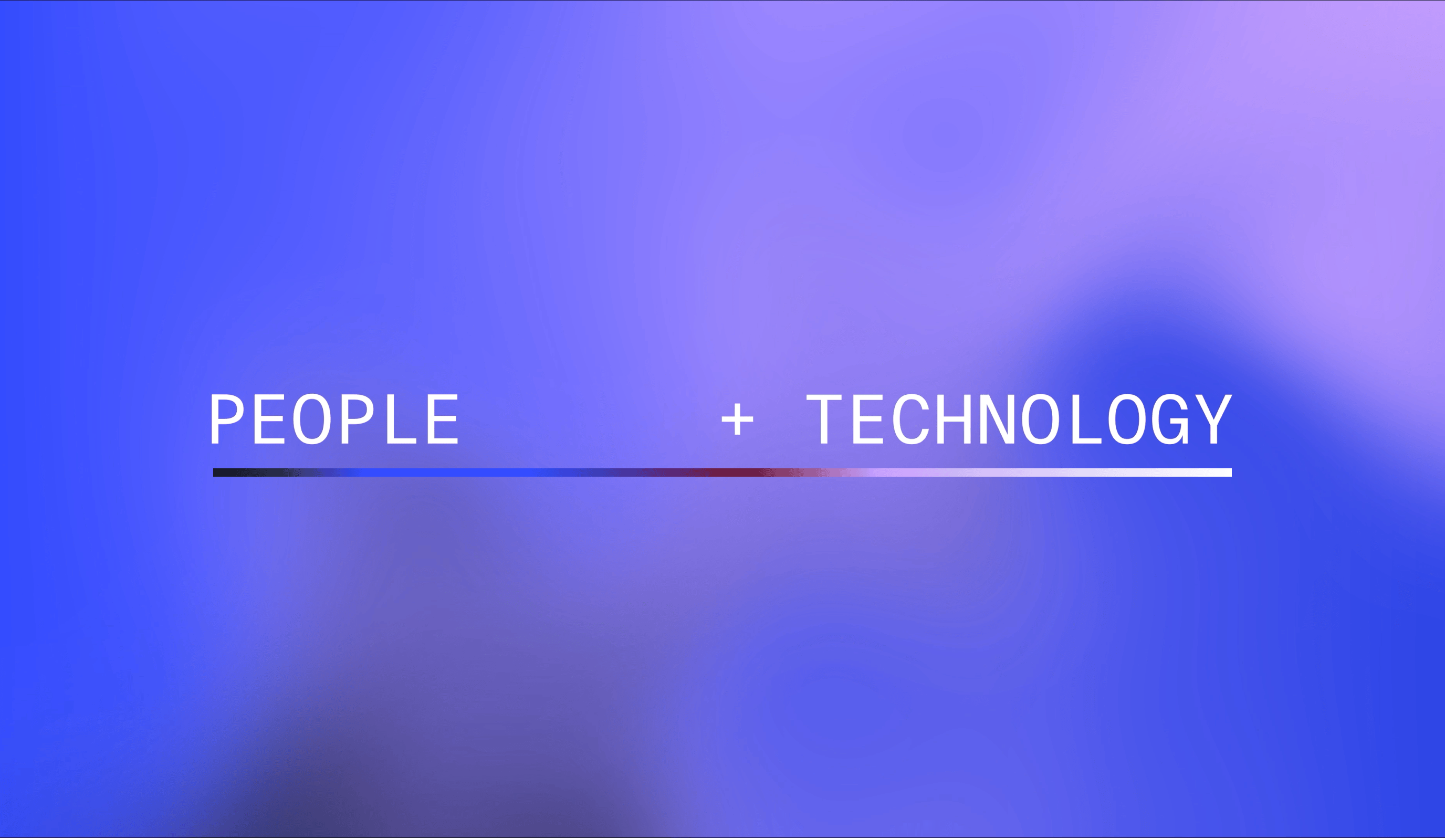
The Strategic Unlock: The Pragmatic Innovator
Early in the process, a crucial insight surfaced. Their true competitive edge wasn’t contained in their technical outputs; it lived in their way of thinking. Electric Mind operates at the intersection of logical precision and imaginative exploration, a blend of left-brain rigour and right-brain creativity that allows them to solve complex challenges with both analytical discipline and inventive flair.
This understanding shaped their new positioning as The Pragmatic Innovator - a company confident enough to push into new territory and grounded enough to deliver outcomes that work in the real world. Their brand promise is rooted in whole-brain intelligence: the ability to bring diverse perspectives together and translate complexity into clear, actionable solutions.
The Creative Execution: Ingenuity in Motion
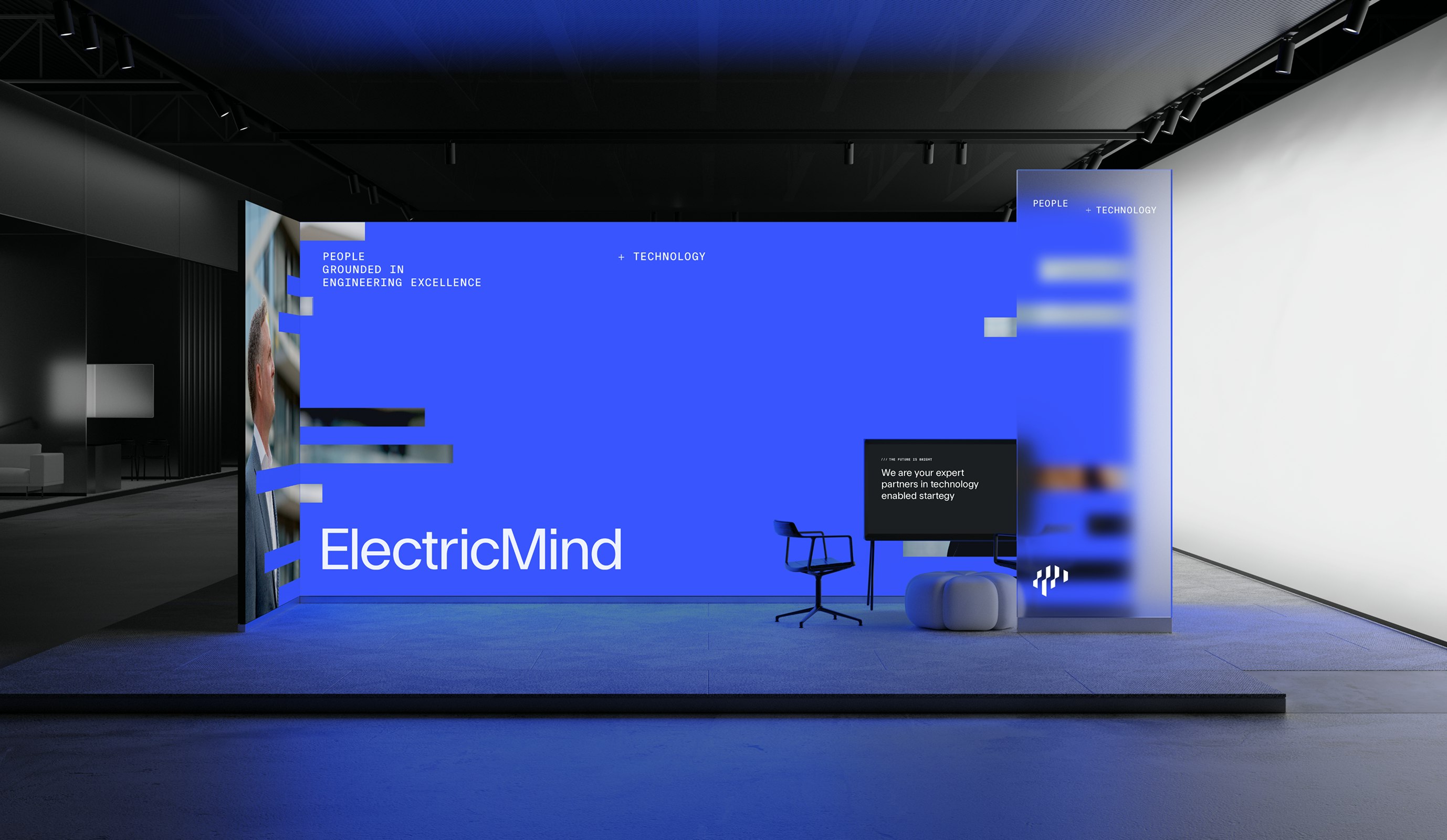
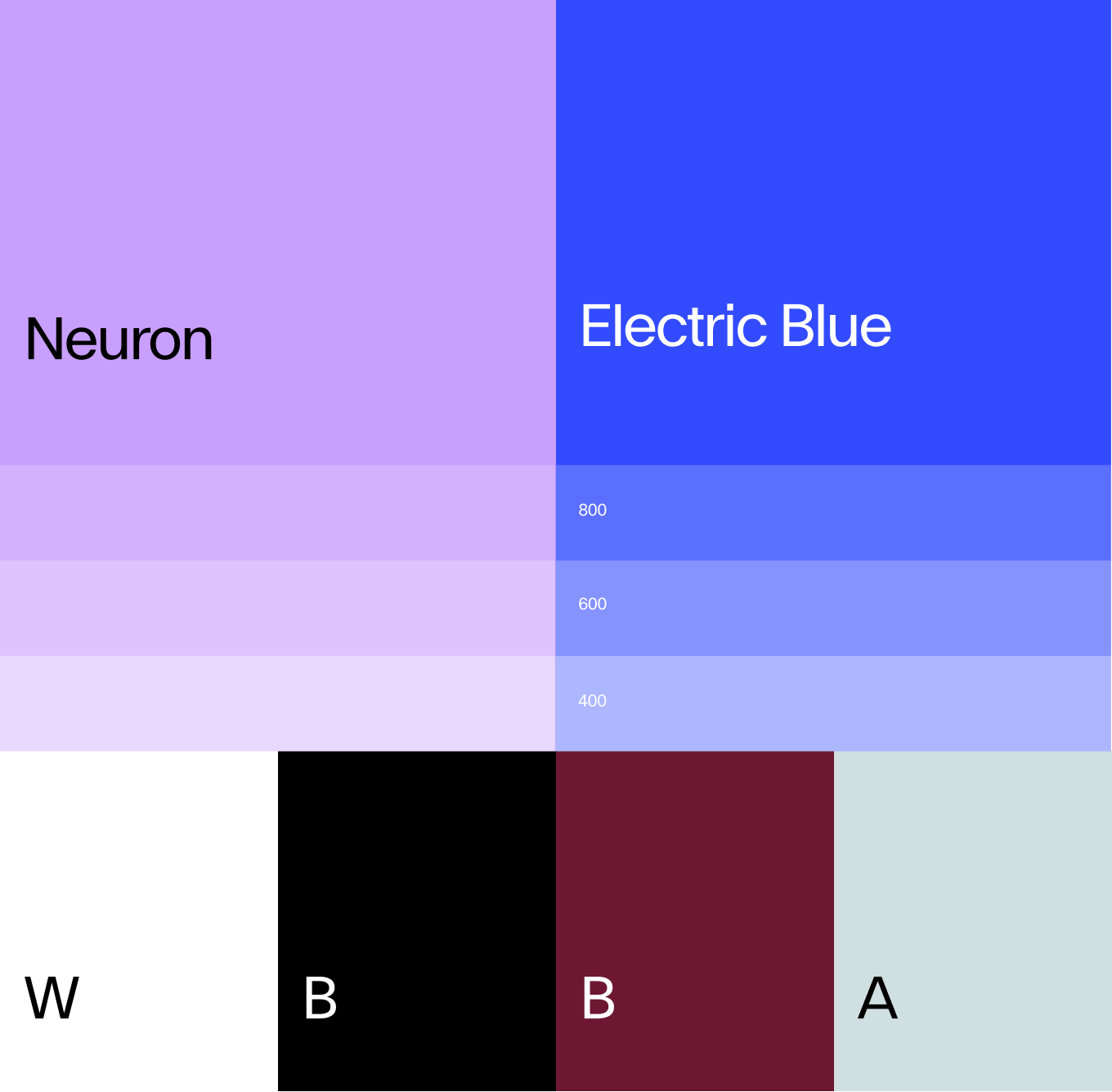
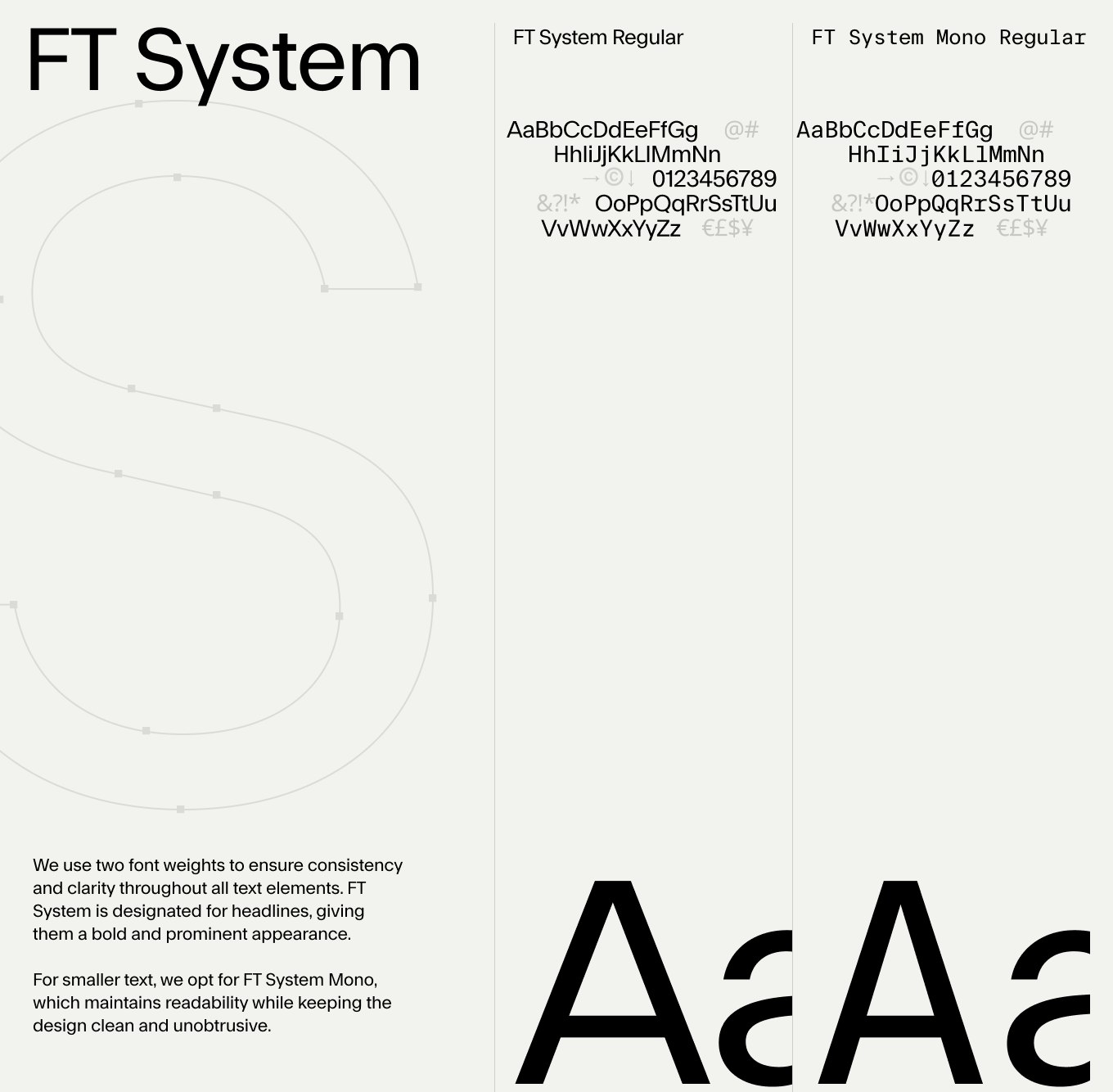
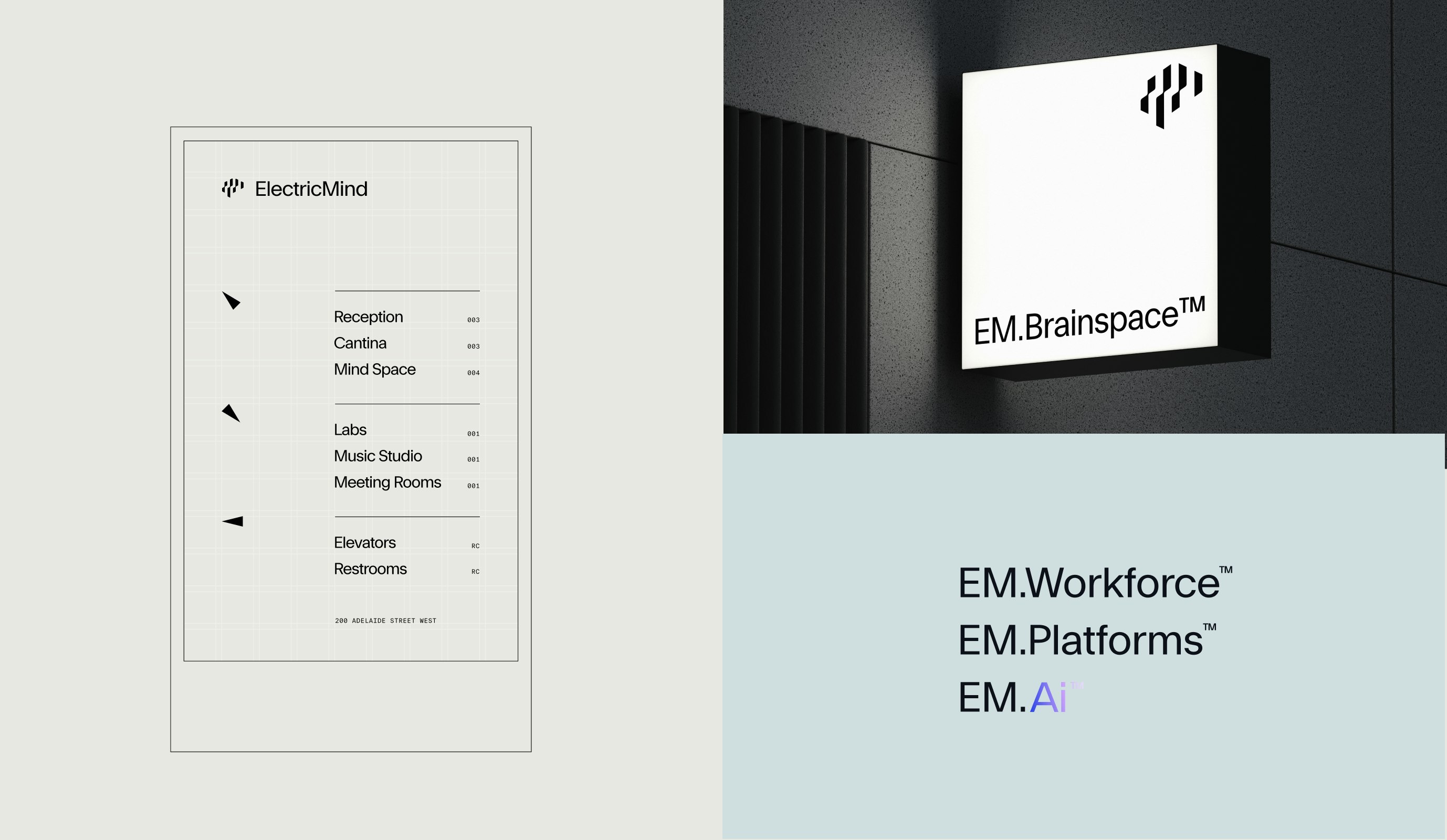
Creatively, the identity brings this duality to life through the visual and kinetic language of electrical and neural pathways. The name Electric Mind serves as a statement of intent, capturing a sense of constant movement, connection and intellectual energy. The visual universe reflects this through dynamic, synapse-inspired forms, typography that balances clarity with character, and a voice that speaks with confidence and momentum.
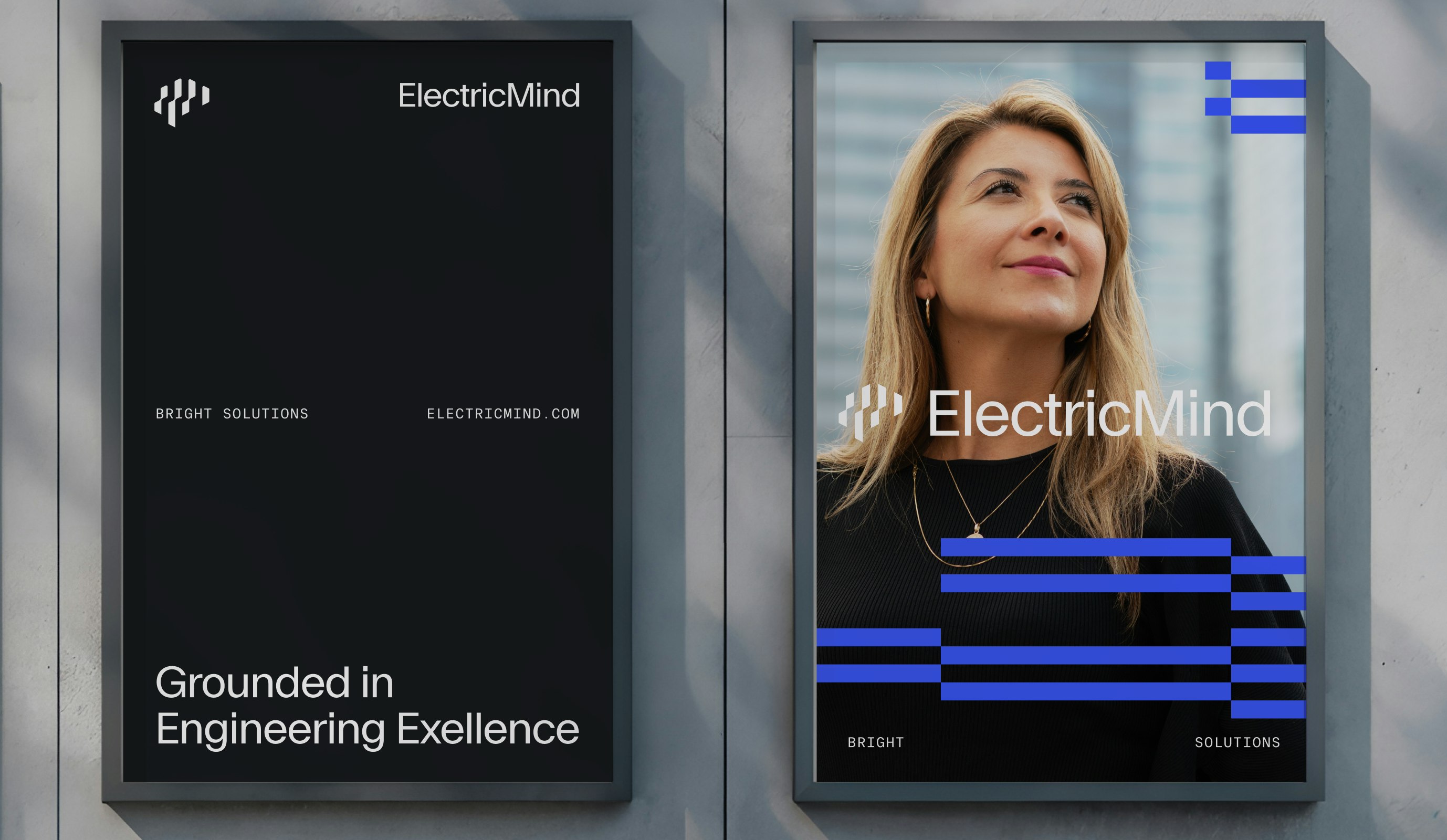
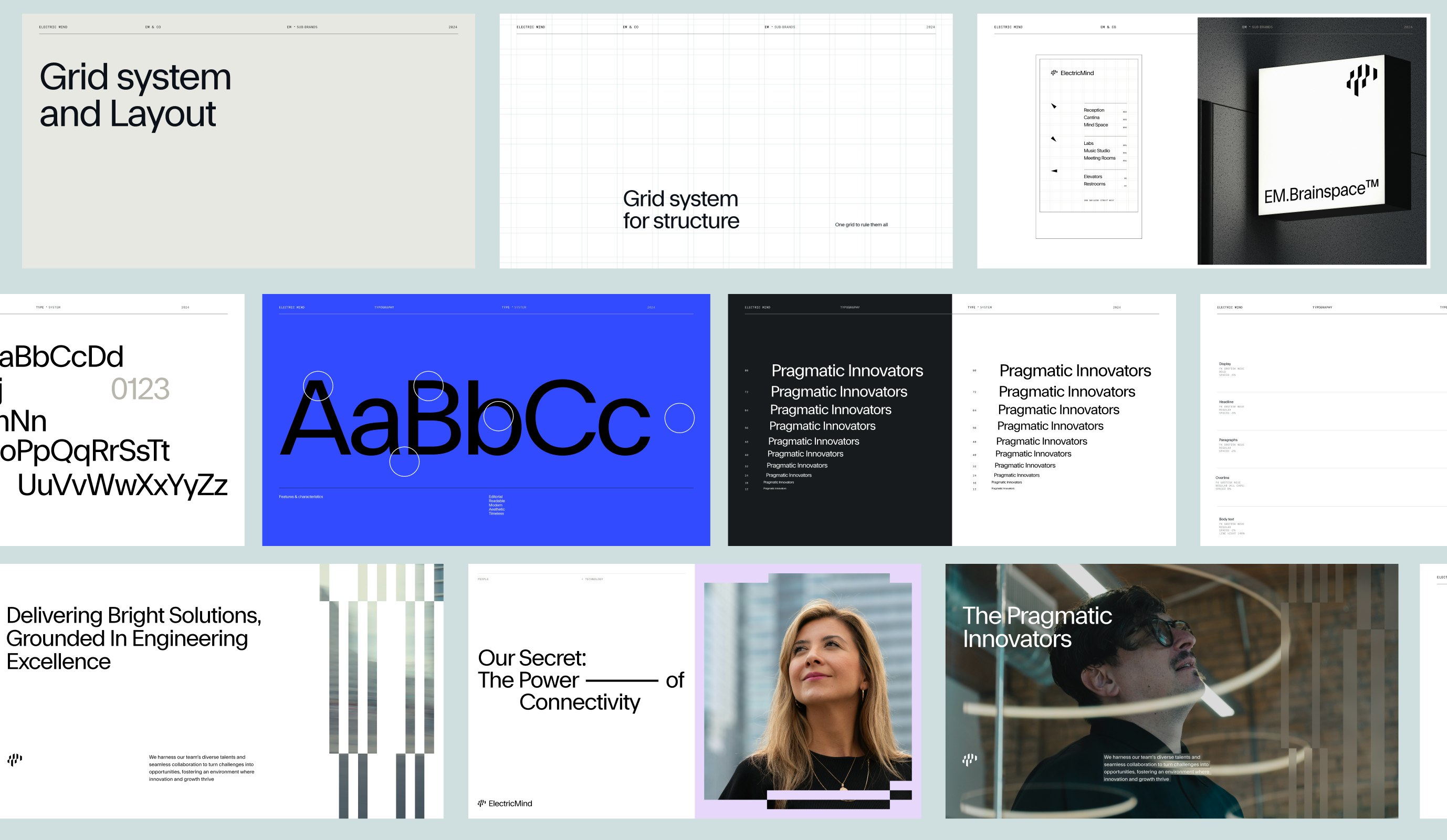
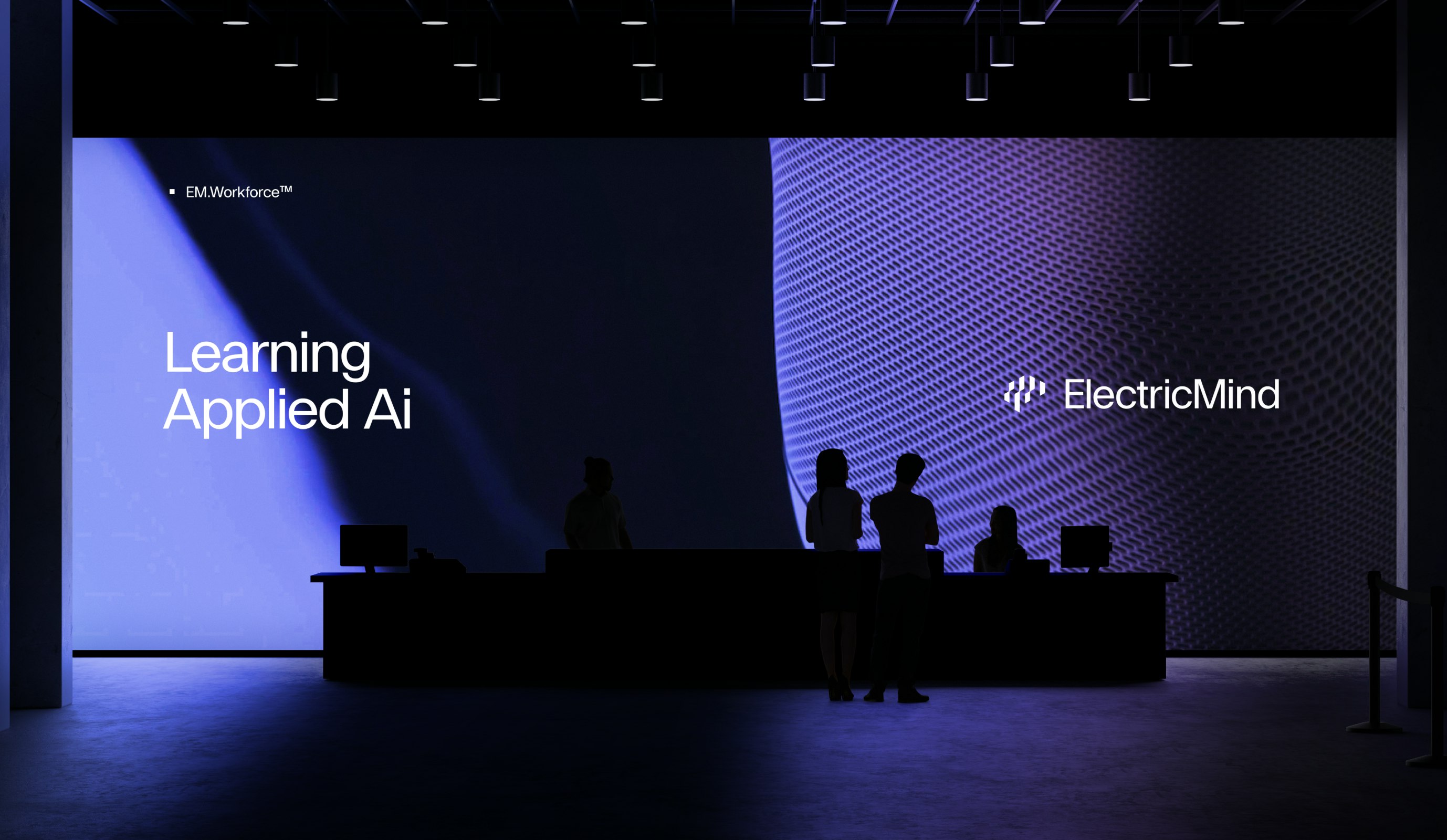
This wasn’t a surface-level refresh - it was a comprehensive overhaul. The strategic platform, visual identity, website, custom photography and launch activation in Toronto were all built to signal a brand stepping into its future with purpose and power. In every expression, Electric Mind demonstrates that they aren’t here to follow the rules. They are here to advance the field.
An Identity Built for What Comes Next
Today, Electric Mind stands with a renewed presence that feels both inevitable and entirely their own. The brand resonates across audiences - from engineers to executives - because it reflects the full spectrum of who they are: deeply technical, inherently curious and ready to shape the next era of AI. It is an identity built not for where they have been, but for everything still ahead.
Related work
Aéroport métropolitain de Montréal
Imaginer le calme en mouvement
Client: MET
Partnership Lead: Sofia G-W
Key Focus: Expérience numérique